Key Indicators Your iPhone Requires Repair: Dont Ignore These Warning Signals!
Numerous iPhone users ignore subtle signs that indicate their device may be in need of repair. Issues like a damaged display, fast battery depletion, or connection issues can often be dismissed. However, these warning signs can lead to more significant complications if not addressed promptly. Being aware of what these signs mean is essential. The following sections will detail critical warnings that must not be dismissed, urging users to examine their devices more carefully.
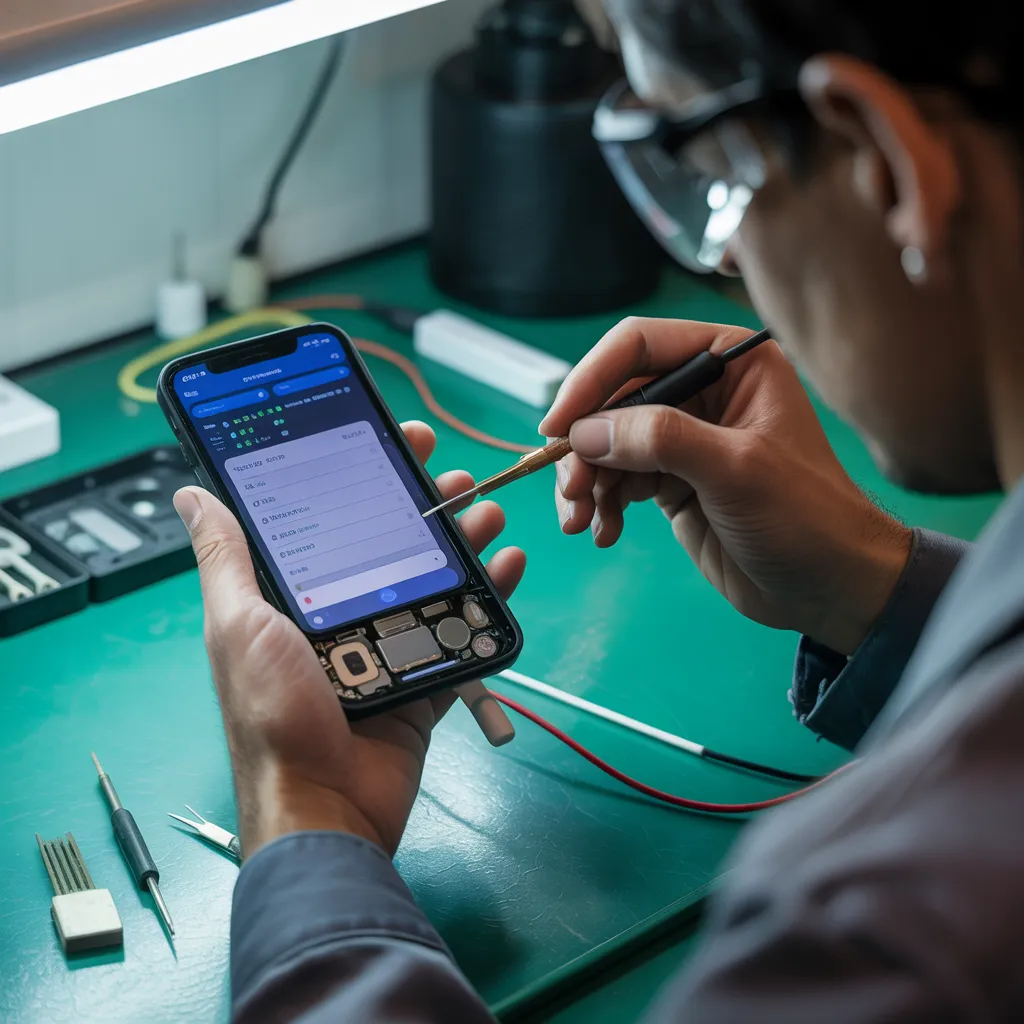
Warning Signs of a Cracked or Damaged Screen
How can someone determine if their iPhone screen is cracked or damaged? A number of important signs can help pinpoint the issue. For starters, visible cracks or chips on the screen surface are telltale signs of damage. Even tiny cracks can become worse over time, resulting in further complications. Moreover, if the touchscreen stops responding or Preventive dental care shows erratic behavior, it could point to internal damage beneath the glass. Color distortion or flickering images can also be a sign that the screen is compromised. In addition, users might notice a separation between the glass and the display, which can affect the phone's overall functionality. Lastly, if the device has experienced a drop or impact, it's advisable to examine the screen carefully for hidden damage. Spotting these signs early can prevent additional issues and keep the device in working condition. Taking immediate action may be essential to avoid costly repairs later on.
Typical Battery Concerns for iPhone Repair
Battery issues are a common concern for iPhone users, often manifesting as rapid battery drain, overheating during use, or inconsistent charging behavior. These symptoms can considerably impact device performance and overall user experience. Addressing these problems promptly can help prevent further damage and guarantee the longevity of the device.
Excessive Battery Drainage
When individuals detect their iPhone losing charge fast, it often indicates fundamental battery concerns that demand prompt action. This phenomenon can result from a range of issues, including worn-out batteries, heavy background application usage, or software irregularities. An old battery fails to maintain adequate charge levels, leading to more rapid power loss. Furthermore, some apps may drain power more aggressively, especially if they operate persistently in the background. Users should also consider the latest software changes, which can sometimes affect battery performance. If the rapid battery drain continues after attempting fixes, it is strongly suggested to consult professional technicians. Disregarding these warning indicators may result in additional problems, making prompt action essential for maintaining the device's performance.
Device Overheating During Operation
Excessive heat during operation frequently signals serious battery problems that require immediate attention. When an iPhone experiences excessive heat, it can be a sign of a failing battery or internal components struggling to function effectively. High temperatures can lead to performance throttling, reducing the device's efficiency and lifespan. Individuals may experience discomfort when holding the device, particularly during resource-intensive activities such as gaming or streaming video. Persistent overheating can also lead to sudden shutdowns, significantly interfering with the device's usability. It's crucial for users to be vigilant; ignoring these symptoms may lead to irreversible damage. Should an iPhone repeatedly overheat, consulting professional repair technicians is recommended to ensure the device stays safe and operational. Tackling battery-related concerns without delay can effectively prevent more significant problems from developing over time.
Unpredictable Charging Behavior
What are the ways users can tell if their iPhone has inconsistent charging issues? Common signs include the device charging intermittently, requiring multiple attempts to establish a connection, or not charging at all despite being plugged in. Users may also notice that the charging indicator fluctuates between showing a charging symbol and a disconnected icon. Furthermore, if the battery level suddenly decreases or cannot reach full capacity, this could point to a more serious underlying problem. Tangible signs, including a deteriorated charging port or worn-out cables, can further compound the problem. Disregarding these indicators can cause more severe battery or hardware complications, making it vital for users to consult professional repair services upon observing such issues.
Fixing an Unresponsive Touchscreen
A non-responsive touchscreen can be extremely aggravating, compromising the fluid user experience that iPhone users rely on. When confronted with this problem, users ought to initially perform a quick restart. This commonly addresses minor problems influencing the touchscreen's responsiveness. If the problem persists, looking for software updates is recommended, since Apple regularly publishes updates to address bugs.
Moreover, taking off any screen protector or case that could affect touch sensitivity is a helpful measure. Users should also inspect the screen for damage, as cracks or chips can hinder responsiveness. In some cases, a factory reset might be necessary, but users should back up their data first to avoid loss.
When these troubleshooting steps do not resolve the issue, enlisting professional repair services may be the most advisable choice. Neglecting an unresponsive touchscreen may result in additional complications, which can ultimately impact device functionality and efficiency.
Wireless and Bluetooth Connectivity Troubles
People can face additional issues beyond a non-responsive touch display, such as Wi-Fi and Bluetooth pairing difficulties. Such issues become apparent when the device struggles to link to networks or accessories, causing inconvenience and interruption. To illustrate, people could experience inconsistent connectivity, slow data transfer rates, or a failure to detect nearby networks.
In certain situations, the iPhone might suddenly disconnect from Bluetooth or Wi-Fi devices, affecting overall usability. This may suggest deeper hardware malfunctions or software-related issues.
Additionally, ongoing issues that remain even after resetting network settings or switching airplane mode on and off indicate a more serious underlying issue that requires closer examination. Users are encouraged to pay attention to whether the connectivity problem is limited to specific areas or individual devices, since this information can be valuable in pinpointing the root cause. Overlooking these network problems may result in additional difficulties down the line, making timely assessment essential for maintaining peak device performance.
When to Obtain Help for Software Glitches
When is it time to seek professional help for software problems on an iPhone? Users should consider consulting a technician when they face ongoing problems that simple troubleshooting methods cannot address. Indicators can include constant application crashes, displays that become unresponsive, or an inability to install system updates. When the device shows irregular behavior, such as spontaneous restarts or excessive lag, this could indicate more serious underlying software issues that require expert intervention.
In addition, if the iPhone displays error messages that are difficult to decipher or if it remains locked in a boot loop, seeking help right away is recommended. Neglecting these warning signs can contribute to greater concerns, thereby increasing the chance of losing stored data. While some glitches may resolve with resets or updates, consistent or severe problems indicate that a professional evaluation is necessary to reestablish proper function and make certain the device performs reliably. Prompt action can help avoid further complications and extend the device's lifespan.
How to Fix iPhone Overheating
Tackling iPhone overheating issues requires a systematic approach to identify and mitigate the causes. To begin, users should look for any power-hungry applications operating in the background. Shutting down these applications can assist in lightening the device's processing burden. Furthermore, keeping the software current is critically important, because software updates commonly feature optimizations and resolution of technical issues.
Furthermore, one should evaluate the device's environment. Refrain from placing the iPhone in direct sunlight or warm environments, as elevated temperatures may worsen overheating problems. Charging habits also matter; non-certified chargers may cause overheating, so it is advisable to use genuine Apple accessories.
Lastly , should overheating continue despite these steps , resetting the device or contacting professional repair services is highly recommended . Failing to address recurring overheating can cause long-term hardware damage , making early intervention important for device longevity .
Red Flags: Strange Sounds or Notifications
Many iPhone owners may notice unusual sounds or notifications that function as indicators suggesting potential issues. Such irregularities can present themselves as unexpected beeping, static noises during calls, or persistent alerts that fall outside of normal usage. Such disturbances commonly point to hardware problems, like speaker or microphone issues, which need to be addressed right away.
Moreover, notifications that appear erratically or seem unrelated to any installed applications can indicate deeper software issues. To illustrate, persistent crash reports or unexpected warning signals can point to corrupted data or required system upgrades. Ignoring these signs can lead to more significant problems down the line.
Popular Questions We Receive
How Much Should You Expect to Pay for iPhone Repair?
iPhone repair costs typically range from $50 to $600, varying by the problem and device model. Frequently needed repairs, like display replacements, generally fall between $100 and $300, while more complicated issues may result in higher costs.
Can I Fix My iPhone Myself?
While some iPhone issues can be addressed through DIY methods, most fixes necessitate professional tools and technical expertise. Taking on difficult repairs may cause more harm or invalidate warranties, making professional assistance often the safer choice.
How Long Does the Repair Process Usually Take?
Repair times for an Apple iPhone typically range from one to three hours, according to the type of repair and repair location. Complex repair work may take longer, most notably if parts need to be ordered or replaced.
Will Repairing My iPhone Void the Warranty?
Servicing an iPhone may invalidate the manufacturer's warranty if unauthorized technicians perform the repairs. Nevertheless, work carried out by certified technicians generally maintain the warranty. Users should verify warranty terms before proceeding with any repairs to confirm protection is maintained.
What Steps Should I Take Before Sending My iPhone for Repair?
Before sending an iPhone for repair, you should create a data backup, clear personal information, turn off passcodes, and document any pre-existing damage. Ensuring a clean device can facilitate a smoother repair process and safeguard personal data.